
Forests Photography

Forests photography for brands and creatives who want something different. My collection features original forest photography available exclusively through William Visuals — not the same images seen across the major stock libraries. Every photograph is captured by me in real UK woodland, with no AI-generated imagery and no destructive editing. Website previews may include adjusted contrast, highlights and colour and are watermarked for protection, while purchased files can include unedited JPEGs and RAW files suitable for professional print, publishing and digital use.
Forest Aerial Photography
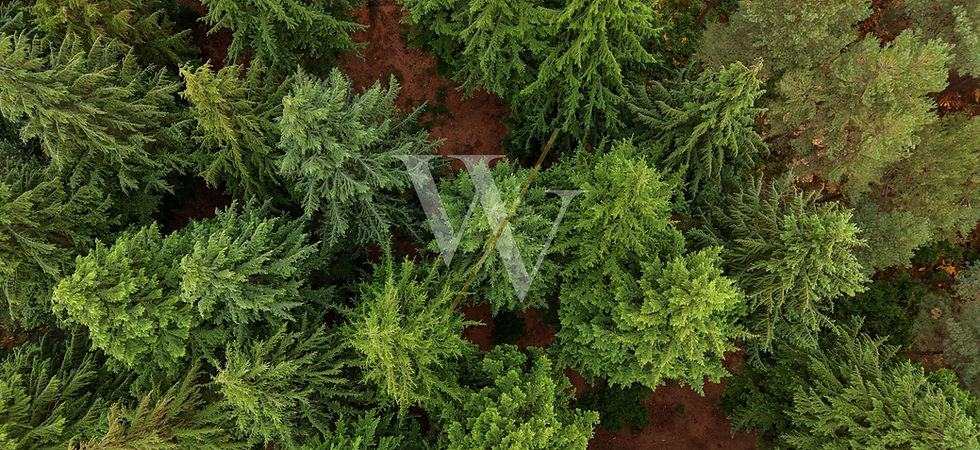
Forest aerial photography is often one of the first perspectives I capture when arriving at a woodland. Shooting from above helps me assess the landscape, identify clearings, paths, variations in tree density and compositions that are difficult to see from ground level. The result is a distinctive style of forest photography that reveals the patterns, textures, scale and natural structure of the woodland canopy.
Aerial forest photography is particularly suited to travel and tourism campaigns, countryside retreats, holiday resorts, outdoor experiences and destination marketing. It can also create a striking visual identity for websites, editorial features, wellness and meditation content, environmental projects and brands looking for imagery connected with nature, calm, exploration or sustainability. Used as a website hero, background or campaign image, an aerial forest photograph can instantly create a sense of place while offering something far less familiar than conventional mass-market stock photography.
Forest Canopy Photography

Forest canopy photography gives a different view of woodland structure, focusing on the tops of trees, openings in the canopy and the contrast between vegetation and the forest floor. This style works especially well for travel, nature, outdoor and environmental projects where you want imagery that feels immersive and visually unusual.
From website headers and editorial features to retreat, wellness and destination content, canopy views can create a strong sense of scale and calm while offering a perspective that is less common than traditional ground-level forest photography.
Forest Composition Photography

Forest composition photography often starts before I take the ground-level shot. Aerial and canopy photography help me understand the woodland from above — where the clearings are, how the trees are spaced, where light is entering and which areas have the strongest visual structure. I can then move into the forest with a clearer idea of where a scene may work from ground level.
Technically, I am looking for layers, leading lines, separation between trees, natural framing and controlled depth within the scene. In this photograph, the foreground trunk creates a strong frame while the central trees and darker foliage build depth through the woodland. This approach allows me to create forest photography that feels intentional rather than simply documenting what is in front of the camera.
Low-Level Forest Photography

Low-level forest photography brings the viewer much closer to the woodland floor, where smaller details, textures and natural forms become part of the composition. Shooting from a lower angle helps create depth and scale, using elements such as tree stumps, ferns, roots, fallen branches and ground vegetation as strong foreground subjects.
This style of forest photography works particularly well when the aim is to create a more immersive and tactile image. It is ideal for nature-led branding, editorial features, outdoor campaigns, environmental projects, wellness content and websites where the visual needs to feel grounded, authentic and connected to the landscape rather than distant or generic.
Immersive Forest Photography

Immersive forest photography is about making the viewer feel as though they are standing inside the woodland rather than simply looking at it from a distance. I use foreground vegetation, natural framing, layered trees and changing light to create depth and guide the eye through the scene.
This style is particularly effective for travel, eco-tourism, countryside retreats, wellness, environmental campaigns and nature-led websites where the aim is to create a sense of escape, calm and connection with the landscape. It also works well as a website hero or editorial image because the composition gives the viewer space to explore the scene visually.
Intimate Forest Photography

Intimate forest photography focuses on the smaller moments within a woodland rather than the wider landscape. Fallen timber, ferns, shafts of light, texture and shadow become the subject, creating images that feel closer, quieter and more personal.
This style is especially effective for editorial work, wellness and meditation content, nature-led branding, books, websites and campaigns where atmosphere matters more than scale. It gives viewers a sense of being inside the forest, noticing details that might otherwise be missed.
Reflective Forest Photography

Some forest compositions cannot be found in a single visit. Reflective forest photography often depends on returning to the same woodland in different conditions, learning how water levels, rainfall, season, light direction and surrounding vegetation change the scene. I spend time walking and exploring the location, looking for areas where still water, tree placement and natural openings can create a balanced reflection and stronger composition.
Technically, these images require patience and timing. The strongest frame may only appear when the water is calm enough to hold a clear reflection, the light is soft enough to control contrast and the surrounding woodland has enough separation to avoid becoming visually cluttered. This slower approach allows me to create forest photography that is built around the character of a real place rather than a single opportunistic visit.
This vertical composition shows how the same reflective forest environment can produce a very different image when the frame is tightened and the wider landscape is deliberately excluded. Instead of presenting the whole woodland scene, the photograph concentrates on the relationship between the trees, the edge of the water, reflected vegetation and the changing light across the surface.
Working this way requires a strong understanding of the location. Once I have visited a woodland several times, I begin to recognise how the scene changes after rainfall, where water collects, which areas remain still, how the canopy controls the light and which tree lines create the strongest visual separation. That knowledge makes it possible to move beyond the obvious viewpoint and search for smaller, more controlled compositions.
The vertical format also changes the way the viewer reads the image. Rather than moving across the scene from left to right, the eye is encouraged to travel from the reflected water at the bottom of the frame up through the vegetation and into the darker woodland above. This creates a stronger sense of depth and makes the photograph feel more immersive and enclosed.
For me, this is an important part of reflective forest photography. The goal is not simply to find a reflection, but to understand how the reflection interacts with the surrounding woodland and how different framing choices can completely change the mood of the final photograph. Returning to the same location allows me to refine those decisions and create images that feel considered, distinctive and connected to the character of the forest itself.
